
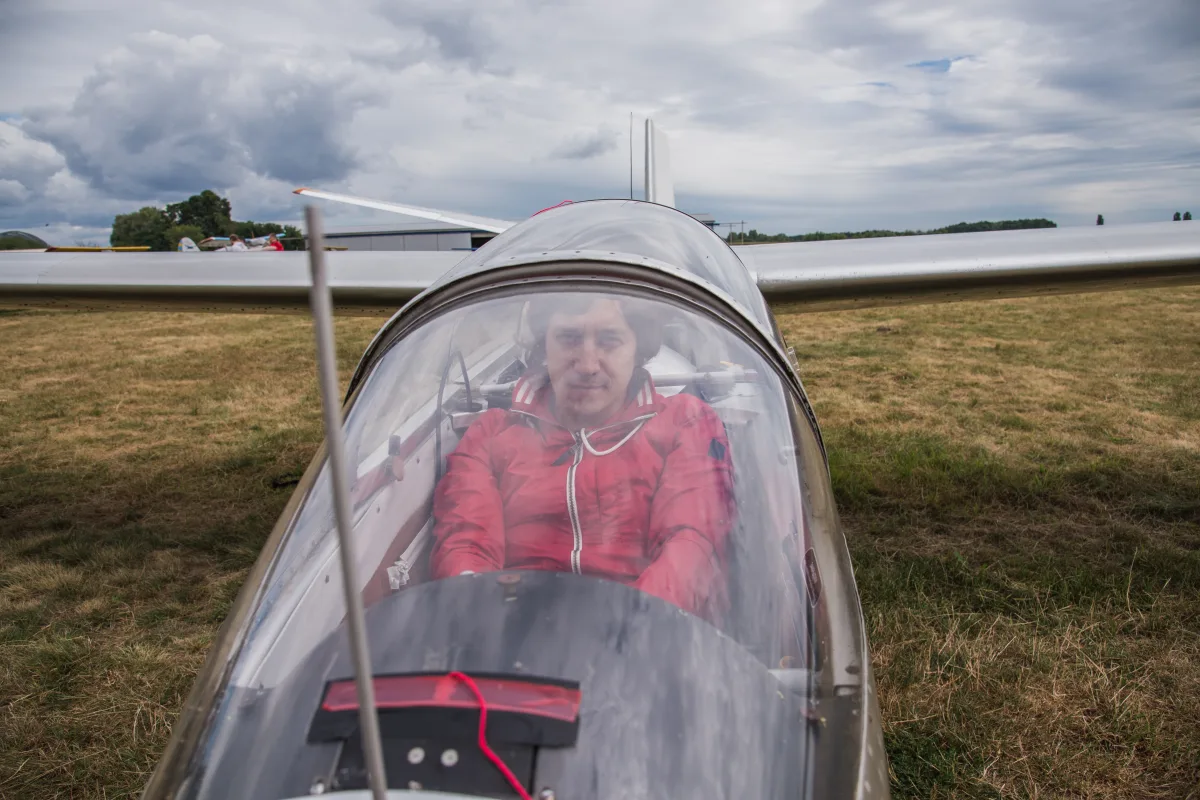
If "ultralight" makes you think of flimsy tube-and-fabric three-axis machines, you're living in the past. The new generation of Light Sport Aircraft (LSA) and ultralight aircraft are composite masterpieces with glass cockpits, recovery systems, and — in some models — electric propulsion. Three manufacturers show where the journey is heading.
Pipistrel — The Pioneer from Slovenia
Pipistrel Aircraft from Ajdovščina (Slovenia) is the undisputed innovation leader in the LSA segment. The company — part of the Textron group since 2022 — has won the CAFE Green Flight Challenge multiple times and is considered the world leader in energy-efficient aircraft development.
Pipistrel Velis Electro — The First Certified Electric Aircraft
- Powerplant: E-811 electric motor (57.6 kW / 78 HP) + Pipistrel battery (24.8 kWh)
- Flight Time: 50 minutes + 30 minutes reserve (weather dependent)
- Maximum Speed: 185 km/h
- Distinction: First EASA CS-LSA certified electric aircraft worldwide (2020)
- Use: Primarily flight training — significantly lower operating costs than piston engines
- Price: approx. EUR 185,000
Beyond the electric flagship Velis Electro, Pipistrel offers the Virus SW 121 and the Panthera — high-performance, aerodynamically optimized LSA and CS-VLA types with piston engines — maximum efficiency through composite construction and optimized wing profiles.
Sling Aircraft — Quality from South Africa
Sling Aircraft from Johannesburg has built an excellent reputation since 2009 as a manufacturer of high-performance, self-buildable (kit), and certified LSAs. The company delivers worldwide — over 700 aircraft are in service.
Sling TSi — The Flagship
- Powerplant: Rotax 915 iS (141 HP, turbocharged)
- Cruise Speed: 255 km/h (138 ktas)
- Range: 1,900 km (with auxiliary tank)
- Max. Altitude: 23,000 ft (with turbo and oxygen)
- Passengers: 2 side-by-side
- Price (kit): from approx. USD 75,000; factory-built approx. USD 185,000 – 220,000
What makes the Sling TSi special is its turbocharged Rotax 915 iS — the most powerful Rotax engine — combined with modern Garmin G3X avionics. For a two-seat LSA, it achieves ranges and altitudes well above the segment average. The kit variant is attractive for experienced builders; Sling also offers factory-built and quick-build options.
Magnus Aircraft — Hungary's Composite Pioneer
Magnus Aircraft from Hungary is less well-known than Pipistrel or Sling but has developed a technically unique model with the eFusion: an LSA with interchangeable propulsion — either Rotax 912 (combustion) or electric drive (swappable via a standard aircraft engine mount).
Magnus eFusion — Dual-Mode Pioneer
- Electric: 60 kW electric motor, 45–60 minutes flight time
- Hybrid option: Range extender via combustion generator (in development)
- Airframe: Full CFRP composite construction, 2-seat
- Avionics: Garmin G3X Touch + Rotax integration
- Distinction: Modular propulsion — future propulsion technology upgrades possible
The modular propulsion concept is forward-thinking: when solid-state batteries with double the energy density become available in 5–10 years, the eFusion operator can simply swap the battery module — without buying a new aircraft. This is the opposite of the automotive market's disposable electronics philosophy.
The new generation of ultralight and LSA aircraft is no longer an entry-level product — it's a full-fledged segment with genuine innovation. Electric propulsion, composites, and Garmin G3X are no longer business jet exclusives; they're available in a EUR 150,000 aircraft.
For the future of private aviation, Pipistrel, Sling, and Magnus are more important than many larger manufacturers: they show how the next generation of pilots will fly — quieter, cleaner, and more technologically advanced than ever before.
